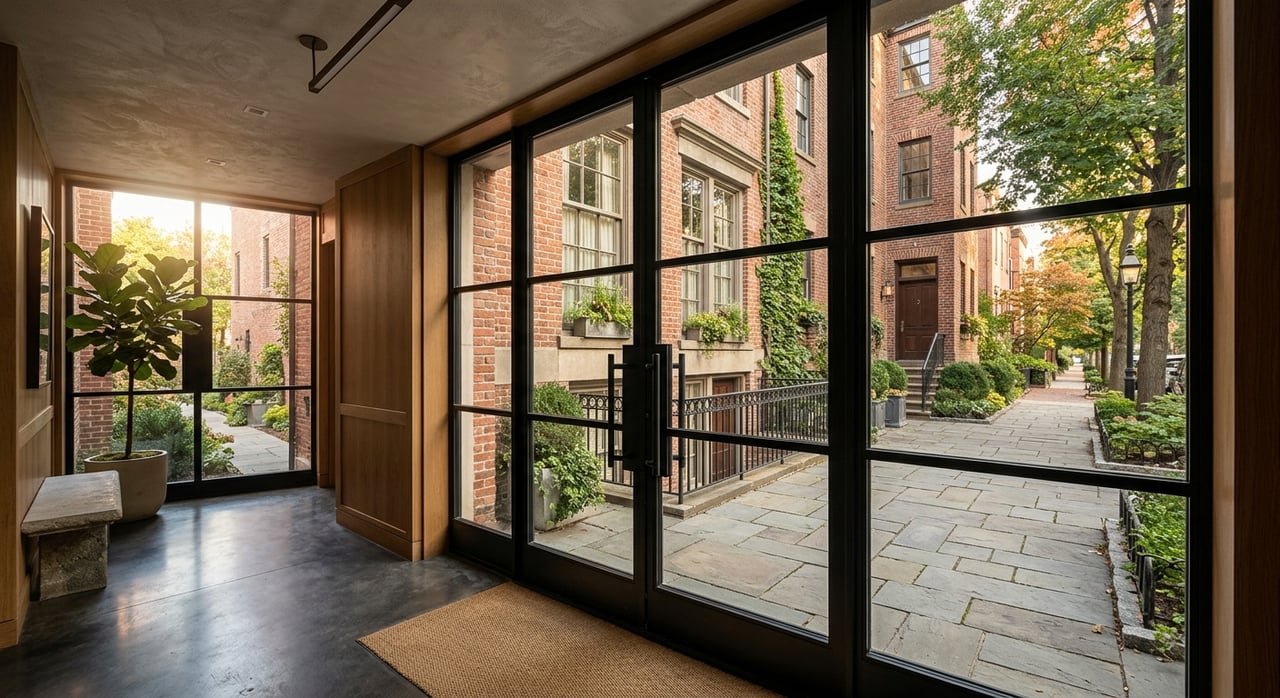
Downtown Naperville Condos or Townhomes for Downsizers
Wondering whether a downtown Naperville condo or townhome will make your next move feel easier, not smaller? If you are downsizing, the decision usually is not just about square footage. It is about how you want to live day to day, how much upkeep you want to leave behind, and how confident you feel about monthly costs, parking, and privacy. In downtown Naperville, those details matter even more because walkability, shared amenities, and association rules shape the experience. Let’s dive in.
Downtown Naperville offers the kind of lifestyle many downsizers want: convenience, connection, and less dependence on a large property. The city describes downtown as pedestrian friendly, and the Riverwalk adds 1.75 miles of brick paths and gathering spaces that support an active, walkable routine.
The city is also investing in the downtown experience through streetscape improvements focused on wider sidewalks, more pedestrian space, added trees and plantings, and improved accessibility. Naperville is also updating its Bicycle and Pedestrian Plan to expand walkability and bikeability across the community.
That setting lines up with what many older buyers say they want. According to the 2024 generational trends report from NAR, buyers age 59 and older were more likely than younger groups to say they wanted a smaller home and to be closer to friends and family.
Before you compare layouts and finishes, it helps to understand one key point: in Illinois, a townhome is not automatically a simple house with no shared obligations. A common interest community can include attached or detached townhomes, villas, or single-family homes, and the declaration and bylaws determine how maintenance and association responsibilities work.
That means both condo and townhome owners in downtown Naperville may have shared expenses, reserve funding, and association governance. The real difference is often not the label itself, but how a specific building or development is structured.
A condo is usually the better fit if your top goal is simplicity. In general, condos are considered the more maintenance-light option, which can be especially appealing if you travel often, spend winters away, or simply do not want to think about exterior upkeep anymore.
Downtown condos also tend to support the lock-and-leave lifestyle many downsizers want. If your ideal day includes walking to coffee, dinner, events, or the Riverwalk without worrying about lawn care or snow removal, a condo often checks those boxes more easily.
Another advantage is location efficiency. Condos are commonly found near shops, entertainment, and transportation, which matches the downtown Naperville lifestyle well.
A townhome often works better if you want your next home to feel more like a transition from single-family living. In general, townhomes offer a more house-like feel and often a bit more privacy than a condo.
That can matter if you want more separation between living spaces, extra storage, room for overnight guests, or simply a layout that feels more familiar. For some downsizers, that comfort is worth a little more complexity.
Still, you should not assume a townhome means low maintenance or owner-controlled maintenance. In Illinois, the declaration and bylaws decide whether the association or the owner handles items like roofs, siding, landscaping, snow removal, and common-area insurance.
For most downsizers, the choice comes down to one main tradeoff: simplicity versus privacy. A condo usually wins on ease. A townhome usually wins on space definition and a more independent feel.
If you want the least exterior responsibility possible, a condo usually has the edge. If you want something that still feels closer to a traditional home, a townhome may be the better fit.
Neither option is automatically better. The right answer depends on how you picture your next chapter, from daily errands to hosting family to leaving town for a few weeks at a time.
In downtown Naperville, parking deserves extra attention. The city’s parking system includes garages, surface lots, time-limited street parking, loading zones, long-term parking options, and an annual Central Business District permit program for eligible downtown residents and employees.
For downsizers, the key question is practical: what does this specific property guarantee? A condo or townhome may offer deeded parking, assigned spaces, garage access, guest parking, or permit-based arrangements, and those differences can shape daily convenience.
If you are planning to keep one car instead of two, or if you regularly host visitors, parking details should be part of your decision early in the process. In downtown Naperville, this issue can matter just as much as the floor plan.
Downtown Naperville can also work well if you want to reduce car dependence. The city says Naperville is served by the downtown Metra station at 105 E. 4th Ave., the Route 59 station, Pace bus links between the stations, and bicycle parking at both stations.
That gives you more flexibility if you want a home base that supports walking, biking, or train access for some trips. For certain downsizers, that can make condo or townhome living feel easier and more freeing.
Association dues are not a side note. They are part of your monthly housing cost and should be evaluated alongside your mortgage, taxes, and insurance.
The CFPB notes that HOA dues are usually paid separately from the mortgage and can range from a few hundred dollars a month to more than $1,000 a month. That means a lower purchase price does not always equal a lower monthly cost.
This is one reason a condo-versus-townhome comparison should go beyond list price. You want to know what the dues cover, what they do not cover, and whether the overall monthly payment still feels comfortable for your goals.
Association finances can affect both your experience and future resale. For resale purchases, buyers should review reserve strength, ongoing maintenance costs, and any history of special assessments.
Illinois condo law requires budgets to provide for reasonable reserves for capital expenditures and deferred maintenance unless waived. Since reserves can be waived by a two-thirds vote, it is especially important to understand how disciplined the association has been over time.
For both condos and townhomes in common-interest communities, Illinois requires associations to make available important resale information on demand. That includes items such as unpaid assessments, anticipated capital expenditures, reserve status, financial condition, pending suits, and insurance coverage.
A beautiful interior can be persuasive, but the documents tell you how the property really lives. Before you commit to a downtown Naperville condo or townhome, review the association materials with care.
Focus on these questions:
For condo sales in Illinois, sellers provide a substantial disclosure package that may include the declaration, bylaws, projected operating budget with estimated monthly charges, and a floor plan. For resale purchases in both condos and townhomes, those association records can help you spot future costs and clarify expectations.
Downtown Naperville’s long-term appeal is supported by ongoing public investment. The city says its downtown streetscape work is designed to improve the pedestrian experience, accessibility, and utility infrastructure.
For a downsizer, that is a positive sign for the long view. It suggests continued support for the walkable environment that draws many buyers to downtown in the first place.
At the same time, improvement projects can bring temporary disruption during construction phases. If you are deciding between two properties, it may be worth asking how nearby work could affect access, noise, or parking in the near term.
A downtown Naperville condo usually fits you best if you want the simplest maintenance profile, strong walkability, and easy lock-and-leave living. It is often the clearest choice when convenience is the priority.
A downtown Naperville townhome usually fits you best if you want a more house-like layout, a bit more privacy, and a gentler transition from single-family living. It can be a great match, as long as you are comfortable digging into the association structure and maintenance terms.
In other words, the smartest choice is not condo versus townhome in the abstract. It is the specific property, the specific documents, and how well that home supports the lifestyle you want next.
If you are weighing a move in downtown Naperville and want a clear, design-aware perspective on what will feel right now and later, Sandy Hunter Homes can help you compare options with care.
October 22, 2026
October 15, 2026
October 8, 2026
October 1, 2026
September 24, 2026

September 17, 2026

September 10, 2026
September 3, 2026
September 3, 2026
Whether working with buyers or sellers, Sandy provides outstanding professionalism in making her client’s real estate dreams a reality. Call Sandy today to schedule a private showing.
Get In Touch To Learn More