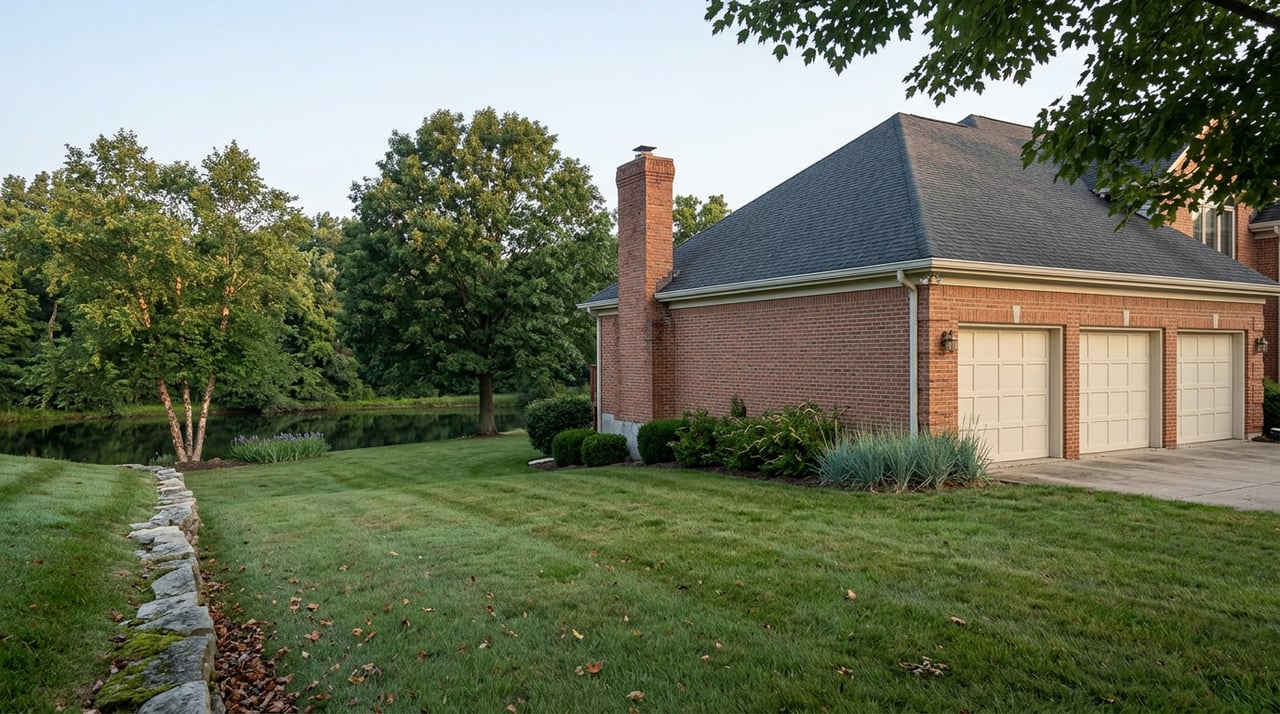
Why Century Farms Sellers Shouldn't Trust the Subdivision's Median Price
Pull up an online home value estimate for a property on Century Farm Lane this month and you might see the neighborhood's median sale price listed as having jumped more than 40 percent in the past year. That is not a typo, and it is not a sign that Century Farms suddenly became a different neighborhood. It is what happens when a tracking tool reports a median calculated from a small number of closings in a subdivision where very few homes change hands in any given month.
If you are getting ready to list a home in Century Farms, that distinction matters more than almost anything else you will read about pricing.
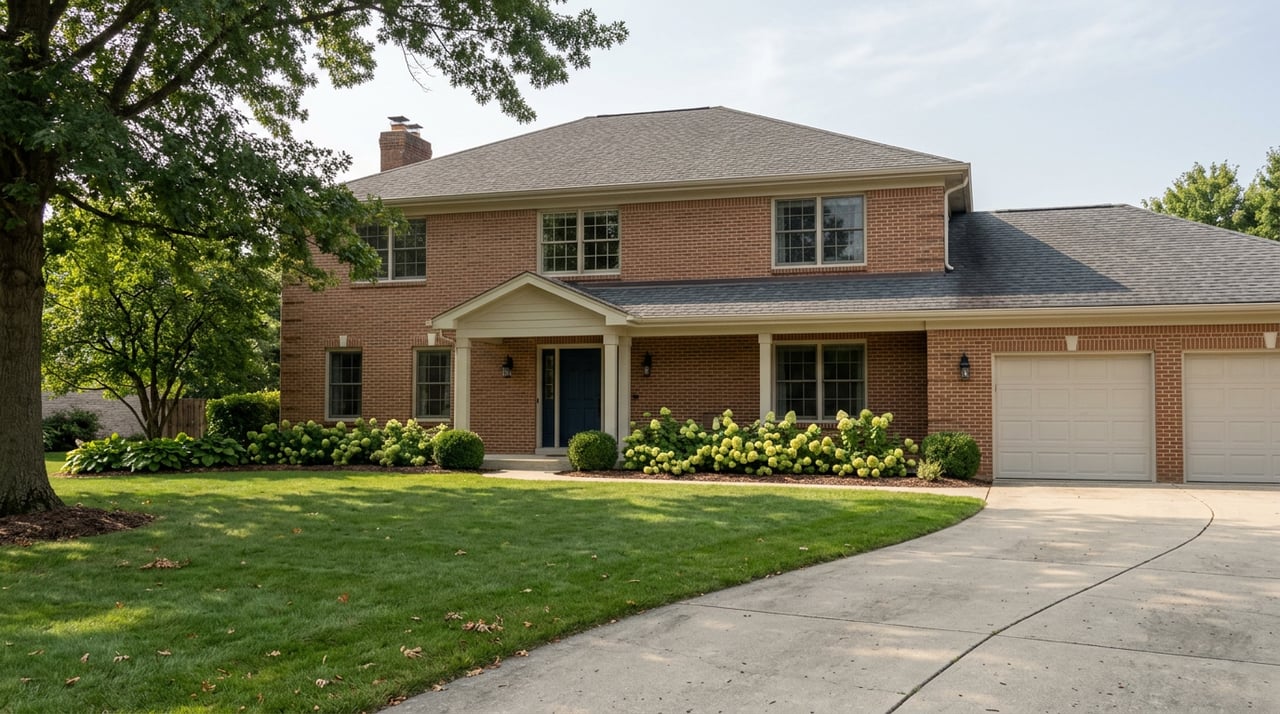
Century Farms is a 253-home single-family subdivision in north Naperville, built out largely between 1997 and 2000 by three builders working the same footprint: Gladstone Builders, Kimball Hill Homes, and King's Court Builders. It sits south of Commons Drive and west of Mill Street, inside DuPage County and Naperville Township, less than half a mile from I-88.
It is also, by design, a small and long-established subdivision with a fixed home count. As of late August 2026, there is exactly one single-family home listed for sale in Century Farms, priced at $879,000. That is not an unusually quiet month so much as a structural fact of the neighborhood: with only 253 homes and an era of construction that closed out around 2000, there simply are not many transactions to draw from in any given stretch of the year.
That thin volume is why one recent tracking comparison showed Century Farms sales staying flat in count between April 2025 and April 2026 while the reported median sale price rose 41 percent, from $837,000 to $1,180,000. A neighborhood does not appreciate by nearly half in twelve months. What happened is simpler: a different mix of homes sold. A larger house on a pond lot closed instead of a smaller one on an interior lot, and the median moved with the mix, not with the market.
This is the trap. A seller who sees that headline number and assumes it reflects what buyers will now pay for any Century Farms home is pricing against a mirage. A seller who ignores it entirely and prices off a single stale comp from two years ago is making the opposite mistake. The real work is figuring out which specific factors are actually driving value in a subdivision this small, and pricing against those instead of the subdivision-wide average.
Because every home here was built inside a three-year window, the differences that matter are not about eras of construction. They are about specifics that a generic valuation tool cannot see.
None of these factors are visible in a single subdivision-wide number. They are visible in a comp set built specifically around the home you are selling.
One detail that trips up sellers preparing disclosure paperwork is the Century Farms HOA assessment itself. Public MLS records for individual homes in the subdivision show annual dues in a fairly tight band, generally in the range of $254 to $367 per year depending on the specific parcel. Compare that to the average annual property tax bill in Century Farms, which runs around $13,178, and it is easy to see why sellers sometimes gloss over the HOA line entirely when filling out disclosure forms. It looks almost incidental next to the tax number.
It is not incidental to a buyer's attorney, who will still want the exact current figure, in writing, from the association. And the amount is not identical across every home in the subdivision, so pulling last year's number from memory or from a neighbor's listing sheet is not a safe shortcut.
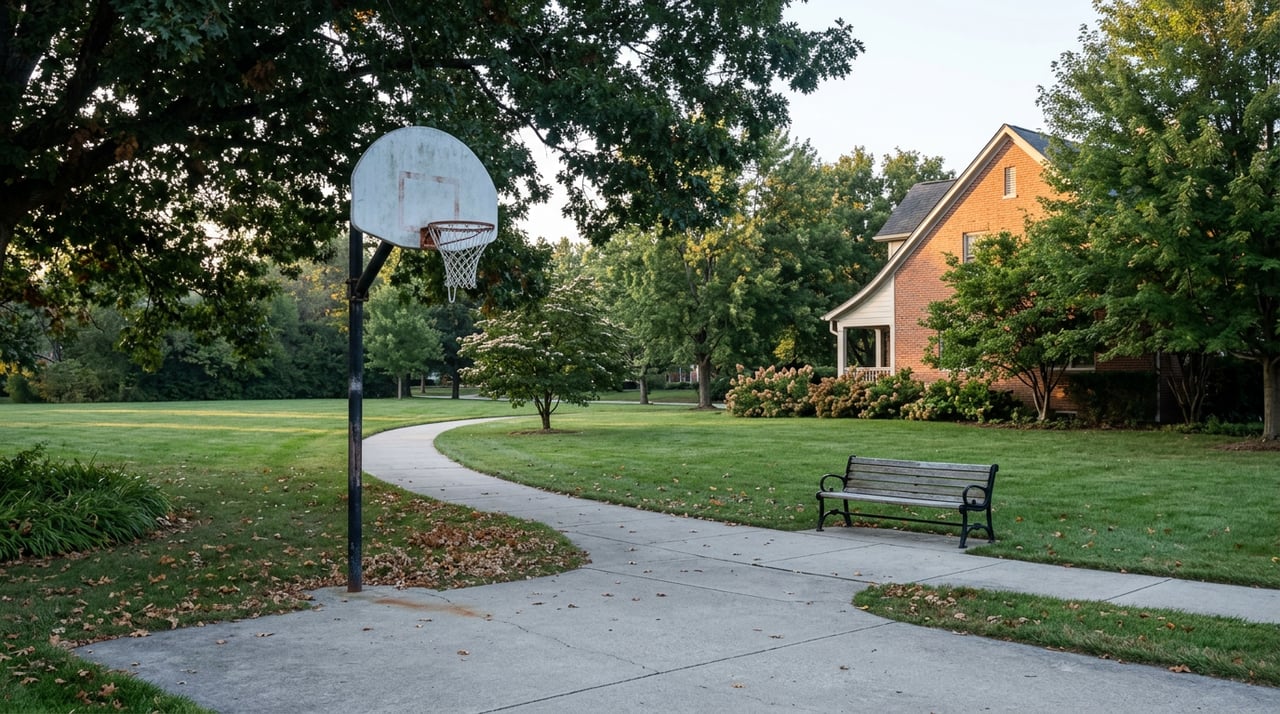
It is also worth knowing what that modest assessment does and does not fund. The subdivision's own management company describes the shared space in Century Farms as open common area including parks and several lakes, not a clubhouse-and-pool amenity package. That framing matters when you are writing a listing description or answering a buyer's question about what the HOA fee actually covers. Overselling amenities that are not part of the subdivision creates exactly the kind of disclosure friction that slows a closing down.
So what do you actually do when the subdivision has one active listing and the trailing twelve months of sold data is too thin to trust on its own?
The honest answer is that you widen the lens without losing the specificity. That means pulling closed sales from Century Farms going back further than the usual six-month window real estate portals default to, weighting the most comparable lot type and square footage more heavily than recency alone, and then cross-referencing against a small number of nearby north Naperville subdivisions built in the same era with similar lot sizes, adjusting explicitly for the differences rather than treating them as interchangeable. It also means being honest with a seller about where their specific home sits inside that 2,725-to-5,100-square-foot range, because a subdivision-wide median that blends the smallest and largest homes together is not a price target for either one.
This is slower than typing an address into a portal. It is also the only version of "the market" that actually reflects what a buyer will pay for the house you are selling, rather than what someone paid for a different house that happened to close down the street.
Why did the online median jump so much in a year if nothing changed in the neighborhood? Because the median is calculated from whichever homes happened to sell in each period, and Century Farms sells so few homes annually that one large sale or one small sale can swing the reported number sharply without reflecting a real shift in value.
Does the low HOA fee mean it will not matter to my closing? It still needs to be disclosed accurately for your specific home, since the amount varies slightly by parcel, and buyer's attorneys will confirm the current figure directly with the association regardless of how small it looks next to the property tax line.
How many homes actually sell in Century Farms in a typical year? Volume is low enough that a single month's closings can meaningfully move any subdivision-wide average, which is exactly why pricing decisions here should lean on a carefully built comp set rather than a headline median.
If you have already read our Century Farms neighborhood guide for buyers, think of this as the companion piece for the other side of the transaction: understanding what actually drives your specific home's value once you are the one selling it.
Getting the number right in a subdivision this small takes more than a portal estimate. It takes someone who knows which builder framed your house, which lots back to water, and which comps in the wider neighborhood actually belong in your pricing conversation. That is the work Sandy Hunter Homes does for every Century Farms listing, backed by staging and marketing built to show a home at its highest and best. If you're planning a sale, start with an honest number: Get Your Instant Home Valuation.
This article is general information, not legal, tax or financial advice. Consult a qualified professional about your situation.
October 15, 2026
October 8, 2026
October 1, 2026
September 24, 2026
September 17, 2026

September 10, 2026
September 3, 2026
September 3, 2026
September 3, 2026
Whether working with buyers or sellers, Sandy provides outstanding professionalism in making her client’s real estate dreams a reality. Call Sandy today to schedule a private showing.
Get In Touch To Learn More