Morning coffee on the Riverwalk, dinner on Main Street, a quick train ride into the city—if that sounds like your ideal first home, Downtown Naperville might be the right fit. You want a walkable lifestyle with great design, but you also need a clear plan, realistic costs, and a smart offer strategy. In this guide, you’ll learn how the downtown market works, what to expect from condos vs. single‑family homes, how long buying takes, and the key steps that keep your purchase on track. Let’s dive in.
Why Downtown Naperville appeals
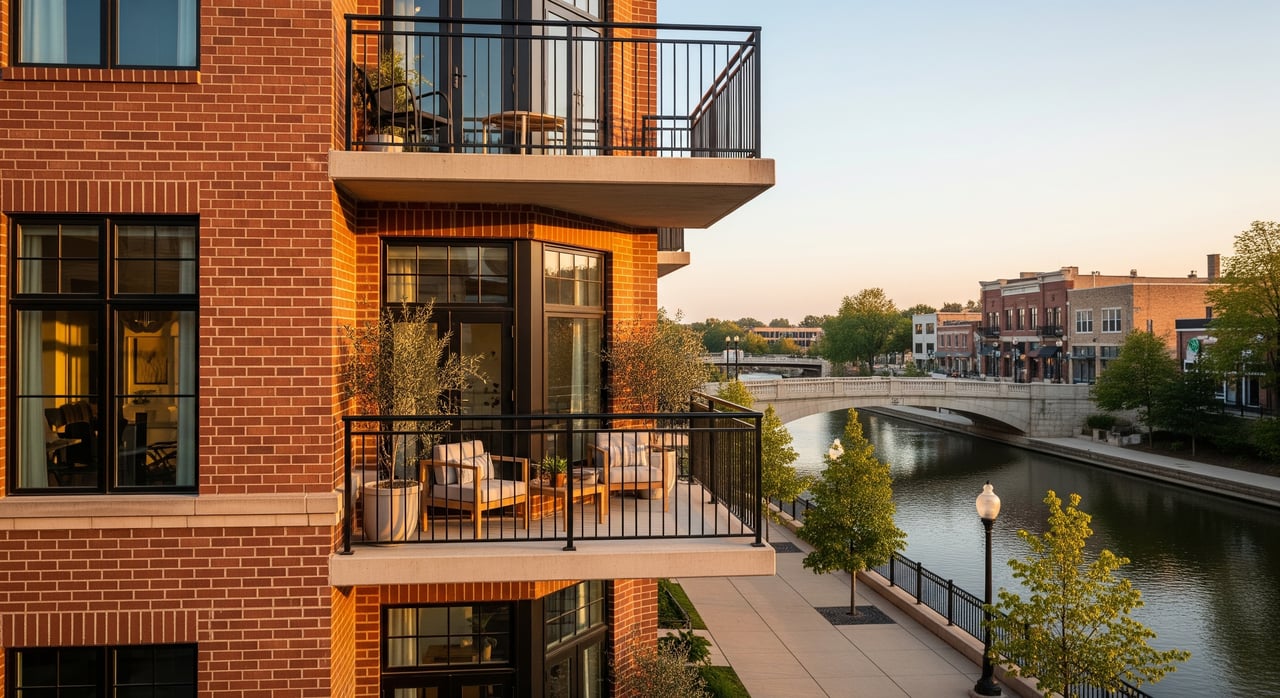
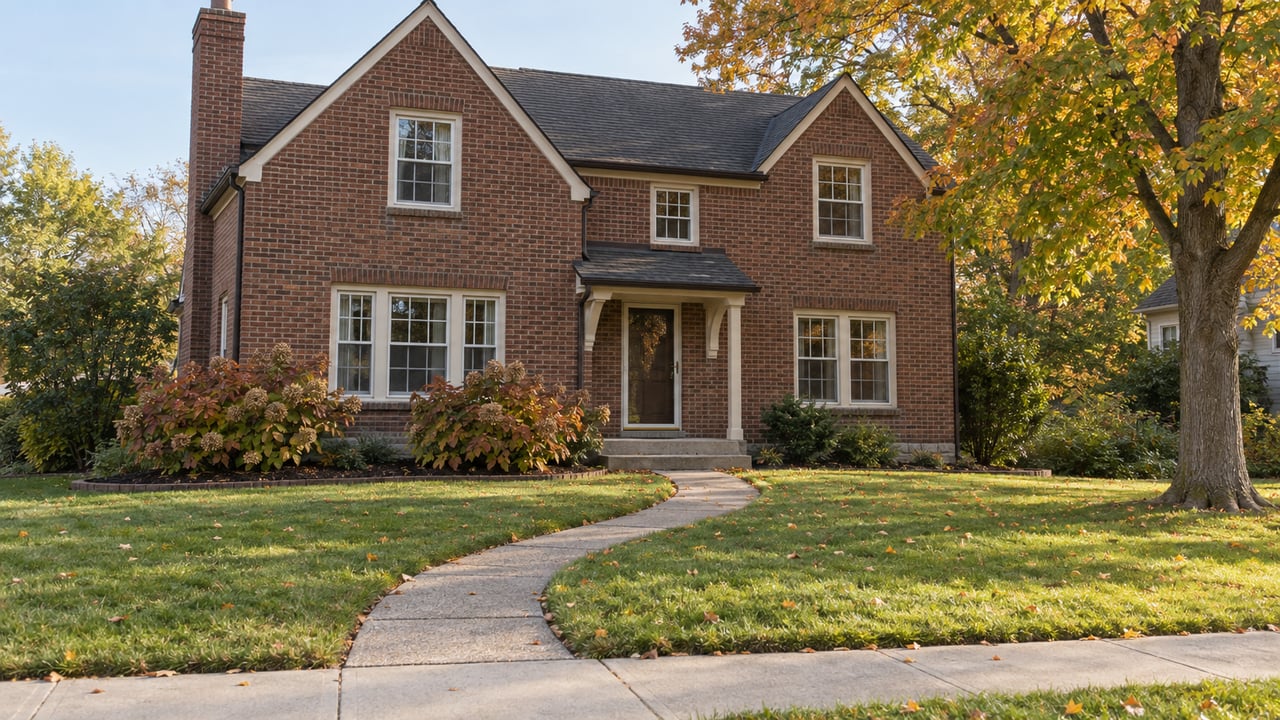
Downtown Naperville centers around the Riverwalk, Main Street, Washington Street, and nearby blocks. You get a compact urban‑suburban feel with restaurants, boutiques, parks, and a range of housing options. Typical options include mid‑rise and low‑rise condos, pocket townhome communities, and a limited number of single‑family homes near the edges of the core.
Walkability and transit are major draws. The Metra BNSF Line serves the Naperville station, and typical trips to Chicago’s Union Station are about 30 to 40 minutes. You also get riverfront access, parks, and a lively street‑level scene. Proximity to the station can be a premium factor for many buyers.
If you want to visualize daily life, browse events and local maps from the Downtown Naperville Partnership and explore Metra’s BNSF Line schedules to plan your commute.
How the market works in the core
Inventory and competitiveness vary by property type. Condos often see faster turnover due to price points and a larger buyer pool focused on low‑maintenance living. Single‑family homes in the walkable zone are limited and can command premiums. Pricing and days on market change quickly, so have your agent pull current figures from local MLS data sources such as MRED before you tour.
Expect each building or block to feel different. Some condo developments have more supply or specific amenities, while single‑family streets may be quieter and more residential. If design, natural light, and outdoor space matter to you, plan for repeat showings at different times of day to really understand each home.
Your step‑by‑step timeline
An efficient transaction from pre‑approval to move‑in often takes 8 to 12 weeks, and longer if you need time to find the right fit. National consumer data supports this general cadence, and processes are similar to what you’ll see in NAR’s homebuying resources.
Preparation (1–4 weeks)
- Get a full pre‑approval, not just a pre‑qualification. This sets your budget and strengthens your offer.
- Gather pay stubs, W‑2s, bank statements, and tax returns.
- Define non‑negotiables: parking needs, HOA rules, pet policies, elevator vs. walk‑up, proximity to Metra, and potential noise exposure.
Search and touring (2–12+ weeks)
- Weeks 1–2: Review listings, virtual tours, and shortlist favorites.
- Weeks 2–6: Schedule in‑person showings, and revisit top choices at different times of day.
- Expect more condo and townhome options than single‑family homes in the core. Ask your agent about off‑market or coming‑soon opportunities.
Offer through contract (1–2 weeks)
- Submit your offer with pre‑approval, earnest money, and a proposed closing date.
- Plan for a 7–10 day inspection window.
- Expect counteroffers. Your agent may recommend escalation clauses or contingency adjustments based on competition.
Under contract: financing, appraisal, title (30–45 days)
- Lender processing and appraisal typically take 3–4 weeks. Condo underwriting can add time because lenders review HOA documents and budgets.
- Title search and HOA document review run in parallel. Allow time to address any questions.
Closing and move‑in (1–2 weeks)
- You will coordinate final signing, funds, and keys. Move‑in timing depends on possession terms and any repairs negotiated after inspection.
Condo vs. single‑family decisions
Downtown Naperville offers both options, but the tradeoffs are real. Align your choice with how you live day to day and how you want to budget.
Cost and monthly budget
- Down payment: Many conventional loans allow 3 to 20 percent or more depending on your profile and loan type.
- Closing costs: Plan for about 2 to 5 percent of the purchase price. Ask your lender for a detailed estimate.
- Property taxes: Naperville homes are in DuPage County. Final tax bills depend on assessed value and local rates. Your agent can help you check parcel‑specific estimates.
- HOA dues for condos: Monthly fees often cover building insurance, exterior maintenance, snow removal, landscaping, common utilities, reserves, and amenities. Lenders include HOA dues in your housing ratio, which affects approval.
- Insurance: Condos typically use an HO‑6 policy for interiors and personal property. Single‑family homes require full structure coverage.
Financing and condo approvals
- Condo projects can face additional lender checks: owner‑occupancy ratios, budget health, litigation, and delinquencies. These factors can impact your loan options and down payment.
- FHA and VA financing may require a project to meet specific criteria. Review HUD’s guidance on condo approvals early if you want to use one of these loans.
- Appraisals in smaller downtown pockets may have fewer direct comparables. Build a plan for possible appraisal gaps.
Inspections and maintenance
- Condo inspections cover the unit’s interiors and visible mechanicals. Also review HOA financials, reserve studies, minutes, and any recent or pending special assessments.
- Single‑family inspections include structure, major systems, and exteriors. Older downtown properties may have historic‑era maintenance needs.
- Ask for recent HOA budgets and a list of special assessments to understand risk.
Lifestyle tradeoffs
- Condos: Lower in‑unit maintenance, possible amenities and secured entries, and assigned parking. The tradeoffs are shared walls, HOA rules, and special assessment risk.
- Single‑family: More privacy and control over exterior design, but higher maintenance and usually a higher price per square foot in the walkable core.
Offer strategy for downtown addresses
In a competitive pocket, you need clean terms without giving up key protections.
- Core terms: Purchase price, earnest money, closing date, possession, and inclusions like appliances and window treatments.
- Contingencies: Financing, inspection, appraisal, clear title, and for condos an HOA document review contingency.
- Inspection approach: Some buyers shorten the inspection window. Waiving inspections increases risk, especially in older buildings.
- Appraisal planning: In multiple‑offer scenarios, consider whether you will cover a potential appraisal gap, seek a price reduction, or renegotiate.
- Concessions and flexibility: You may negotiate closing costs, repairs, or parking spaces. Many downtown sellers value a reliable closing timeline and fewer uncertainties.
Budget, programs, and local logistics
Plan for one‑time and recurring costs, and explore programs that can help first‑time buyers.
- Up‑front: Earnest money, inspection and appraisal fees, lender and title fees, recording, prepaids for taxes and insurance, and any HOA move‑in fees or deposits.
- Recurring: Mortgage principal and interest, property taxes, homeowner’s insurance, HOA dues, utilities, and routine maintenance.
- Assistance: Review IHDA’s first‑time buyer programs for potential down payment assistance, and ask local lenders about low‑down‑payment options.
- Parking: Not all downtown homes include deeded garage parking. If a unit relies on private or municipal parking, add that cost to your monthly budget.
What to verify for condos downtown
Before you commit, request a full document package and read it closely.
- HOA bylaws, rules, and budget
- Reserve study and three recent sets of meeting minutes
- Certificate of insurance and current year financials
- Owner‑occupancy and delinquency rates
- Any special assessments and their timelines
- Parking details: deeded vs. assigned, guest policies, and any municipal permits
If you plan to renovate, confirm the HOA architectural review process and the City permit requirements. You can review permits and inspections information on the City of Naperville’s official site.
Transit, walkability, and schools
Your commute and school assignment may shape where you buy within the downtown area.
- Transit: The Metra BNSF Line connects Naperville to Chicago in about 30 to 40 minutes in typical schedules. Closer proximity to the station can increase property appeal.
- Walkability: Many addresses near the Riverwalk and Main Street offer easy access to shops, dining, and parks. Walk the blocks you like during day and evening to gauge noise and traffic.
- Schools: Much of downtown falls within Naperville Community Unit School District 203. Confirm exact boundaries with District 203 as lines can vary by parcel.
Work with a design‑minded local advisor
Downtown living is about feel as much as facts. A seasoned local agent can help you weigh building quality, HOA health, light and layout, parking realities, and long‑term resale potential. With decades of Naperville experience and a design‑forward approach, Sandy Hunter curates tours, surfaces off‑market insights, and negotiates clean, confident offers that fit your goals.
Ready to explore? Reach out to Sandy Hunter Homes for a personalized downtown plan and a curated list of homes that match your style and budget.
FAQs
How long does it take to buy in Downtown Naperville?
- A focused timeline is often 8 to 12 weeks from pre‑approval to move‑in, plus extra time for the search if you want specific features or a rare single‑family home.
Is a condo or single‑family better in Downtown Naperville?
- Condos offer low maintenance and walkable convenience with HOA rules and fees; single‑family homes provide more control and privacy but often carry higher costs in the core.
What HOA red flags should first‑time buyers watch for?
- Low reserves, frequent or large special assessments, high delinquency rates, pending litigation, or rules that conflict with your plans, such as rental restrictions.
How does parking work for downtown condos?
- Many buildings include deeded or assigned spaces, while others rely on private or municipal parking; always verify the number of spaces, fees, and guest parking rules.
Will my lender finance any downtown condo?
- Not always. Lenders review project budgets, owner‑occupancy, litigation, and other factors; FHA or VA loans may require additional checks per HUD guidance.
How far is the Metra and how long is the commute?
- The Naperville station serves the BNSF Line, and trains to Chicago’s Union Station typically take about 30 to 40 minutes depending on the schedule.