Shopping in Downtown Naperville and finding your favorite homes priced above the standard mortgage limits? You are not alone. Many move-up buyers in DuPage County discover that the homes they love require financing beyond conforming guidelines. This guide explains how jumbo loans work, what lenders expect, and how to navigate local factors like appraisals, taxes, and condos so you can buy with confidence. Let’s dive in.
Jumbo loan basics in DuPage
A jumbo loan is a mortgage that exceeds the conforming loan limit set by the Federal Housing Finance Agency. As of 2024, the baseline conforming limit for a one-unit home is $766,550. DuPage County historically follows this baseline limit. If your loan amount is above that threshold, you will likely use a jumbo product. These limits change annually, so it is smart to verify the current year’s numbers as you plan.
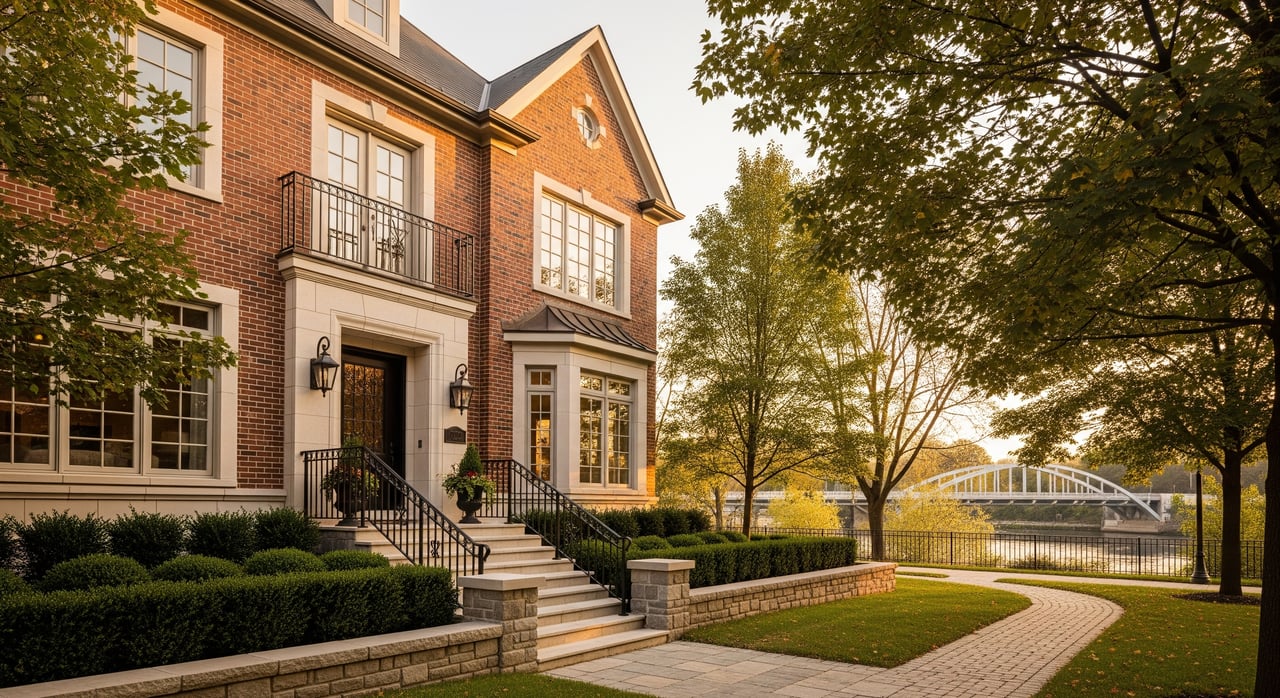
In Downtown Naperville, higher priced single-family homes and upgraded condos often exceed the conforming limit. That means many buyers in this pocket rely on jumbo financing to compete for premium inventory.
Conforming vs jumbo differences
- Underwriting is more conservative for jumbos because lenders set their own standards. Expect closer review of your credit, income, and assets.
- Down payment requirements are commonly 20 to 30 percent. Many programs also require 6 to 12 months of reserves, measured as your total monthly payment including taxes and insurance.
- Top-tier pricing usually goes to borrowers with higher credit scores, often in the 700 to 760+ range.
- Documentation is similar in type to conforming loans but reviewed more closely, especially for self-employed buyers.
- Conventional mortgage insurance typically does not apply. If you put less than 20 percent down, lenders may use different structures or price the risk into the loan.
Jumbo products you may see
- Non-agency jumbo: Loans that exceed conforming limits and are sold to investors or held in portfolio.
- Portfolio loans: Local or regional banks keep these on their books and may offer flexibility on income or property nuances.
- Bank-statement or asset-qualifying programs: Useful for self-employed buyers who prefer to document income via statements rather than tax returns.
- ARMs and interest-only options: Sometimes lower initial payments, but they carry reset or interest-only risks that you should weigh carefully.
What lenders will ask for
Jumbo financing relies on full documentation. While each lender’s list is a bit different, most will require the following:
- Government-issued ID and a completed loan application.
- Income documentation:
- Employed: Last 2 years of W-2s, recent 30-day pay stubs, and employer verification.
- Self-employed: Last 2 years of personal and business tax returns, possibly a profit and loss statement; some programs allow 12 to 24 months of bank statements.
- Asset statements for the last 60 to 90 days for checking, savings, retirement, and investment accounts. Gift funds may require a gift letter and donor documentation.
- Federal tax returns for 2 years and explanations for any large deposits.
- A full credit report, often pulled from multiple bureaus.
- Property documentation such as the appraisal, title report, survey if needed, and for condos, HOA financials, insurance, and litigation disclosures.
Reserves and DTI expectations
For primary residences, jumbo programs commonly ask for 6 to 12 months of reserves. Second homes or investment properties may require more. Many jumbo programs set a lower maximum debt-to-income ratio than conforming loans, often 43 to 50 percent, with some flexibility if you have strong compensating factors such as substantial assets or higher down payment.
Appraisals and condos in Downtown Naperville
At higher price points, finding comparable recent sales can be a challenge. Lenders often require a full interior and exterior appraisal and may add a review or a second opinion for unique homes. If your purchase price is ahead of recent comparable sales, be prepared for a possible appraisal gap.
For condos, the lender will evaluate the project itself. HOA reserves, insurance coverage, litigation, and investor concentration all factor into eligibility. Get the HOA documents early so your lender can review them without delaying your closing.
Rates, costs, and strategies
Jumbo rates vary by borrower profile, loan features, lender type, and overall market conditions. Well-qualified buyers sometimes receive pricing comparable to conforming loans, though strong credit, larger down payments, and solid reserves are usually required.
Typical costs to plan for
- Down payment: Often 20 to 30 percent, with higher requirements possible for certain loan sizes or property types.
- Reserves: Expect 6 to 12 months for primary homes, and more for second homes or investments.
- Closing costs: Appraisals for complex properties can cost more. You will also see lender fees, title and escrow, attorney costs where used, and any HOA or condo processing fees.
- Property taxes and insurance: Illinois property taxes are comparatively high. DuPage County tax amounts and Naperville levies are included in your monthly payment and affect reserves and qualifying. Homeowners and flood insurance, where applicable, also factor into your total payment.
Ways to manage your cost of funds
- Increase your down payment to reduce loan-to-value and often improve pricing.
- Compare more than one lender. Include a local portfolio lender or credit union that understands DuPage taxes, appraisals, and condo nuances.
- Consider fixed vs ARM structures based on your time horizon and risk comfort.
- Evaluate alternatives such as a first mortgage combined with a second lien or HELOC. These can help you stay under conforming limits, but they come with tradeoffs like a second interest rate and added complexity.
Local details that affect your plan
- County loan limits: DuPage County follows the baseline FHFA conforming limit for most years. If your loan amount exceeds the current limit, you will need a jumbo product.
- Competition and appraisals: Downtown Naperville’s most desirable pockets can be competitive. Multiple offers and premium prices can create appraisal pressure, so plan a strategy with your lender and agent.
- Condo project reviews: Some high-end projects may fall outside certain lenders’ guidelines. Confirm project eligibility early in the process to avoid surprises.
- Closing fees and logistics: Local transfer taxes, recording fees, and municipal charges vary by municipality and add to your closing costs. Confirm figures with your title company.
- Property-specific risk: Homes near waterways or with unique site features may require additional insurance or lender review.
Step-by-step plan for Naperville buyers
- Verify current loan limits
- Confirm the FHFA conforming limit for DuPage County for your purchase year and compare it to your target loan amount.
- Secure two jumbo pre-approvals
- Get a pre-approval from at least one national lender and one local or portfolio lender. Compare pricing, documentation requirements, reserve rules, condo project criteria, and timing.
- Gather complete documentation
- Prepare 2 years of tax returns, recent pay stubs, 60 to 90 days of asset statements, and explanations for large deposits. Self-employed buyers should assemble business returns and any profit and loss data.
- Plan reserves and cash flow
- Aim for at least 6 to 12 months of reserves for a primary residence. Stress-test your budget with realistic property taxes and insurance.
- Review condo or HOA details early
- If buying a condo, request HOA budgets, reserves, insurance, and litigation disclosures early so the lender can confirm project eligibility.
- Anticipate appraisal dynamics
- Discuss comparable sales with your agent before making offers. Consider ways to manage appraisal risk, such as a larger down payment cushion or negotiated appraisal terms.
- Request a detailed cost estimate
- Ask for a loan estimate that includes local recording, transfer, title, and HOA fees. Build a buffer for any additional condo review costs or complex appraisal charges.
- Align your contract with financing
- Coordinate contingency dates with your lender’s timeline. Make sure the appraisal, condo review, and final underwriting can be completed within your contract deadlines.
Common jumbo scenarios in Naperville
- Self-employed buyer with variable income: A bank-statement or asset-qualifying jumbo may be a fit if traditional tax returns do not reflect cash flow. Expect tighter underwriting and a careful review of reserves.
- Downtown condo purchase: Lenders will underwrite both you and the building. Get the HOA package up front to confirm project eligibility and avoid delays.
- Move-up buyer facing an appraisal gap: If the appraisal comes in below price, you may add cash, adjust structure, or renegotiate. A thoughtful offer strategy and a backup financing plan help you stay in control.
Work with a local advisor you trust
In a market like Downtown Naperville, details win. Your financing structure, documentation, and appraisal strategy all influence your ability to compete for the right home. A seasoned local advisor helps you time the market, price your offers with confidence, and plan a smooth path to closing.
If you are exploring a move in Naperville’s luxury and upper-mid tiers, let’s talk about your goals and craft a plan that fits. Connect with Sandy Hunter Homes to align your search and timeline with a clear financing strategy. Get Your Instant Home Valuation.
FAQs
What counts as a jumbo loan in DuPage County?
- A loan amount above the FHFA conforming limit for the year, which is $766,550 for one-unit homes in 2024, typically requires jumbo financing.
Do jumbo loans always have higher rates than conforming?
- Not always; well-qualified borrowers sometimes receive competitive jumbo pricing, but stronger credit, larger down payments, and solid reserves are usually needed.
How much down payment is typical for a jumbo in Naperville?
- Many programs ask for 20 to 30 percent down, with requirements varying by loan size, property type, and borrower profile.
What documentation will lenders require for a jumbo?
- Expect full income, asset, credit, and property documentation, with closer review for self-employed buyers and for condos with HOA project underwriting.
How do appraisals work for luxury homes in Downtown Naperville?
- Appraisers seek recent comparable sales; unique or high-value homes may trigger appraisal reviews or additional opinions, and appraisal gaps can occur.
Are there alternatives if I want to avoid a jumbo loan?
- Some buyers use a first mortgage plus a second lien or HELOC to stay under conforming limits, though this adds complexity and possible higher costs on the second.
How do DuPage property taxes affect jumbo qualification?
- Lenders include local property taxes and insurance in your monthly payment, which factor into reserves and debt-to-income calculations for approval.